
Disenfranchised by Design
The Local Elections are Coming - Here's How they Work and Why they Matter

The country goes to vote on 7 May in local elections and, unless you take the time to look into it or you are engaged in local politics, it’s not always clear what you’re voting for, who you’re voting for, or what those people will do if they win.
Political Literacy
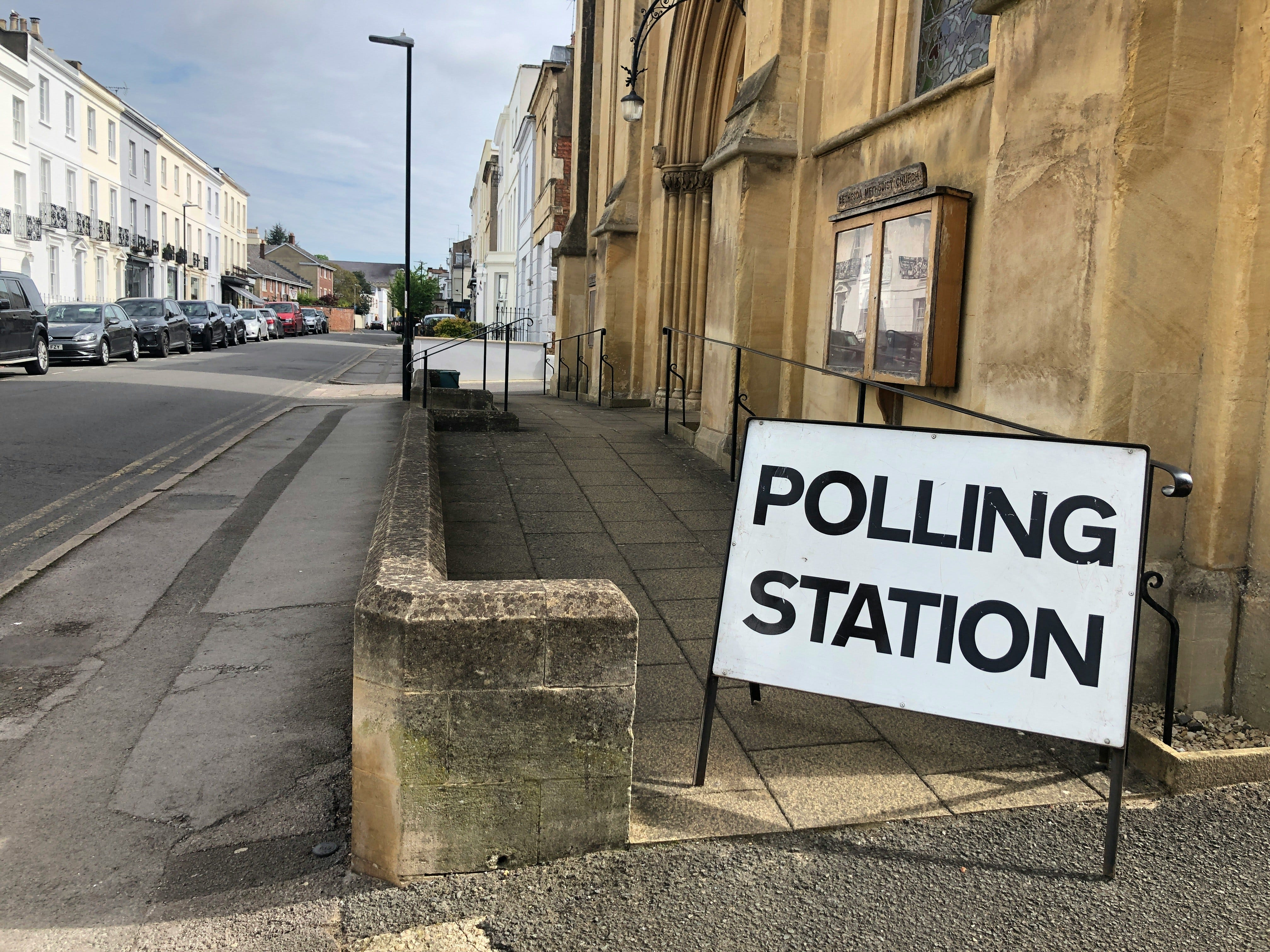
According to Local Government Information Unit (LGIU)-commissioned polling by Ipsos, around 64% say they do not understand decision-making in their council, and 63% are not following devolution or local government reforms.
Knowledge of councillors’ roles is also limited, with awareness lower than for national politicians. Only a tiny minority, around 3%, are actively involved in local decision-making, and only about 9% want to be more involved.
So naturally I go to a government website and read it as if I’m a first time user, maybe a young first time voter - who best to explain local politics than the government?
First thing it hits you with is this:
Your local government will do one of the following:
elect all the local councillors every 4 years
elect half the local councillors every 2 years
elect one third of the local councillors every year for 3 years and hold no elections in the 4th year
What?
Fine, I guess, but isn’t electing half the local councillors every 2 years the same as electing them all every 4 years? Why would you only elect a third every year for 3 years? Isn’t that crazy inefficient? Why not just elect them all in 4 years? There is no way to answer the “why” of this on the website1.
The rest of the website is equally unhelpful. There is nothing here that tells me why this is important, what councillors do, or what this means for me. If the goal is to convert citizens into voters, they are doing a terrible job, so I can only assume this cannot be their goal. No wonder we are increasingly turning to social media for our political education.
How Local Elections Actually Work
A council is a geographically defined authority covering a town, city, district, or county area. The whole area is divided into wards. Each ward elects councillors, and all councillors together form the council. The number of councillors per ward varies, but together they represent the whole population of the authority, so, in theory, each local region is represented
There are different electoral cycles. In some areas, all councillors are elected at once every four years. In others, elections are staggered, with a portion of seats contested each year.
Councils sit between national government and everyday services.
Councillors meet in committees to make decisions. The group with the majority of seats usually forms the administration and chooses a leader or executive structure. This is why voting for a particular party is important beyond the focus on the national contest for No. 10.
Councils as Agents of Delivery
You interact with council decisions daily. Councils are responsible for a range of locally delivered services. This typically includes housing and homelessness support, local planning, waste collection and recycling, road maintenance, libraries, social care for adults and children, environmental health, and aspects of local education provision. Some pretty important stuff.
They are funded through council tax, business rates, and grants from central government. However, a large share of funding comes with conditions set nationally, meaning councils have limited fiscal autonomy, particularly since 2010, when the government began austerity policies.
Local councils should be a familiar touchpoint for everyone but instead our democracy feels passive, and this has to change if we are to make any progress towards a better world.
The makeup of your local council determines how Whitehall mandates are interpreted and by what value system they are filtered, as has been seen in Reform run councils recently where we’ve seen things like Durham council spending £3-£5million on enacting anti working from home policies to diddling expenses in Devon.
The Party of Change
Most governments do not actually want citizens to be more involved in decision-making; they want freedom to act in a top-down way. They see participation in democracy as a bureaucratic, unproductive distraction.
When voting for councillors, it is likely they all care, or claim to care, about their communities. Councillors want to see their local areas thrive, be cleaner, and their high streets revived, so try to consider the values that they hold beyond that.
Do the councillors want to involve you in achieving those goals? That either looks like literally involving you, or ensuring that you have a voice in local decision-making. Democracy is something that citizens have to learn and the easiest way to learn, is to do.
Do they value the lives of workers? Will they put ordinary, local people’s needs first before the needs of capital interests such as developers, multinational corporations, or finance? Our local politicians should - at an absolute minimum - strive to protect us from the myriad harmful effects of capitalist overreach.
Do they value the natural world? Will they fight to protect what natural life there is around your community, and do they value what makes your area unique? Local politicians should increasingly recognise the role nature plays in our lives, and they should act as guardians of the natural world.
If we are to build a better democracy together, we have to resist the form of it that is imposed upon us by the media, politicians, and the constraints of the system. I believe values need to be front and centre, in particular, values of democratic participation and I believe the Green Party are the only party doing this.
I’d love to do this full time and not be weighed down by my corporate job, so I can read, learn and write more. You can help me do this by sharing this with your community, buying me a coffee or becoming a paid subscriber, your contributions help to cover key subscriptions, books and articles.
Instagram
TikTok
Link Tree
Buy me a coffee
This “staggered” voting cycle is relatively unique to the UK and is designed with the intention of maintaining continuity, limiting sudden political shifts, retaining experience, and favouring stability. It is confusing and not very common, so an explanation of this would be useful to say the least.
Once again, a timely,, well-thought out article. As someone slated to run for council elections next year (for the Green Party) I am constantly frustrated at the general public’s lack of awareness regarding the power of local councils and the importance of voting in local elections. I agree with you that this ignorance is deliberately engendered by both local and national politicians. Giving ordinary people access to decision-making and providing transparency? God forbid!
I've always been fascinated by how we treat council elections in the UK like they are consistently our equivalent of US midterms, but somehow are left even less informed about what they do, and how they affect our lives than even American citizens are of their off-cycle local governments.
Really useful introduction to a corrective for this Alex, and I can only hope that many will vote as you suggest (being a Green member myself), but also that all those who do vote for whoever it is, end up with a proactive council that can start evolving us back to the times when whoever had control of the council actually mattered, rather than the 4 decades of Thatcherite rot we've seen set into what was once a thriving system of municipal and local government. Maybe then the many may all have more idea of who our actual councillor is beyond the couple of minutes we see them listed on a ballot paper.